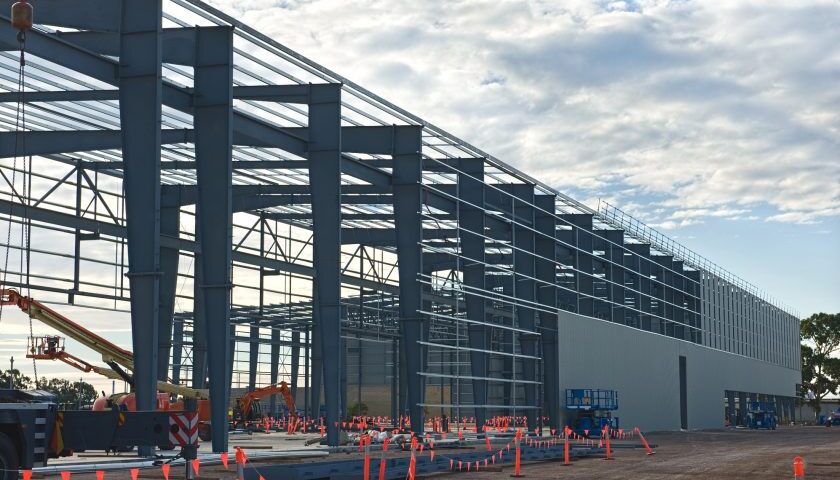
Environmental remediation—the process of cleaning up and restoring polluted sites—has long been a focal point of environmental policy and urban planning. Traditionally, remediation has been perceived as a purely regulatory process, driven by environmental standards and community advocacy. However, in recent years, a powerful and more successful driver of environmental remediation has emerged: real estate development for the industrial logistics sector and alternative real estate assets such as self-storage and data centers. The transformation of once-polluted industrial zones into logistics hubs and warehouses has demonstrated that development and remediation often go hand-in-hand, benefiting both the economy and the environment.
Environmental Remediation: A Brief Overview
Environmental remediation is the removal of contaminants from soil, groundwater, sediment, or surface water to protect human health and restore the environment. Contaminants can arise from a variety of sources, including industrial waste, chemical spills, and abandoned properties with hazardous materials. Remediation methods include soil washing, bioremediation, containment, and excavation.
While remediation is often a regulatory requirement under laws like the U.S. Comprehensive Environmental Response, Compensation, and Liability Act (CERCLA or Superfund), the driving force behind such efforts has increasingly shifted toward real estate development. In particular, the boom in alternative commercial real estate assets, including industrial warehousing and logistics, has led to an increase in the cleanup of polluted sites.
Technological advances in remediation techniques have made the process more efficient and cost-effective. For example, bioremediation, which uses natural organisms to break down contaminants, and in-situ chemical oxidation, which involves injecting oxidizing agents into the soil to neutralize pollutants, have both become more widely used in recent years.
The Role of Industrial Real Estate in Remediation
The industrial real estate sector has been experiencing a broad, long-term surge in demand due to the rise of e-commerce and shifts in global supply chains. This demand for strategically located facilities—close to transportation hubs, ports, and major highways—has brought developers into previously neglected urban and suburban areas. These locations can be compromised by industrial pollution, and remediation is a necessary first step before any development can occur.
The appeal for developers lies in the potential value of these locations. Despite their environmental challenges, these sites are often near key infrastructure, making them ideal for logistics facilities and alternative real estate uses. As a result, developers are increasingly incentivized to remediate contaminated properties that may have once been home to manufacturing plants or chemical storage sites in order to repurpose them for modern industrial uses.
Case Study: Clean Up in Chicago and Boston
Chicago’s industrial corridors offer another example of how industrial and logistics development can drive environmental remediation. These areas, historically filled with factories, metalworking shops, and other polluting industries, have been gradually transitioning into logistics and warehousing hubs over the past decade.
One notable project took place in the Pilsen neighborhood, where a former metal-smelting facility sat vacant and contaminated for years. After an extensive cleanup effort that involved the removal of lead and other hazardous materials from the soil, the site was transformed into a modern distribution center serving e-commerce companies. Not only did this remediation improve the environmental quality of the area, but it also sparked economic revitalization in a neighborhood that had long suffered from disinvestment.
In Everett, MA, outside of Boston, a 100-acre property contaminated by fossil fuels is now under remediation for a host of uses, including manufacturing. The years-long clean-up project will transform a site that includes two former tank farms where fossil fuels were refined and stored for more than 50 years into a dynamic mixed-use center.
Economic and Environmental Benefits
The examples in Chicago and Boston illustrate the dual benefits of development-driven remediation. From an economic standpoint, developers can acquire land at relatively low costs due to its contaminated status, clean it up, and then create high-value industrial and logistics facilities that meet the growing demand for distribution centers, and other commercial uses. These projects often generate significant economic activity, creating jobs and increasing tax revenues for local governments. Sites that were once sources of pollution and blight are transformed from dormant relics into productive assets that contribute to sustainable urban growth. In some cases, developers even integrate green building practices into their projects, further enhancing the environmental benefits.
A New Era of Environmental Remediation
The growing intersection of real estate development and environmental remediation marks a new era in urban renewal. Developers, driven by market demands, are increasingly taking on the responsibility of cleaning up contaminated sites, transforming environmental liabilities into economic assets.
As this trend continues, it will be essential for policymakers, developers, and environmental agencies to collaborate closely, ensuring public support so that future projects can maximize both economic and environmental benefits. In doing so, they can create a sustainable model of growth where development and remediation are mutually reinforcing.